Friday, January 27, 2012

Dr. Z Amplifiers

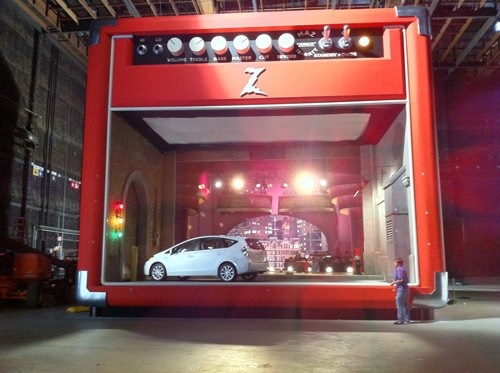
The past few nights a TV commercial for the Toyota Prius has aired, which prominently features a red Dr. Z amplifier. An old friend of mine ran into the “Doctor” several years ago at a Louisville Kentucky music store. He found the Doctor to be a warm and wonderful man, and my friend walked out of the store with a brand new Carmen Ghia amplifier.

Dr. Z aka Mike Zaite
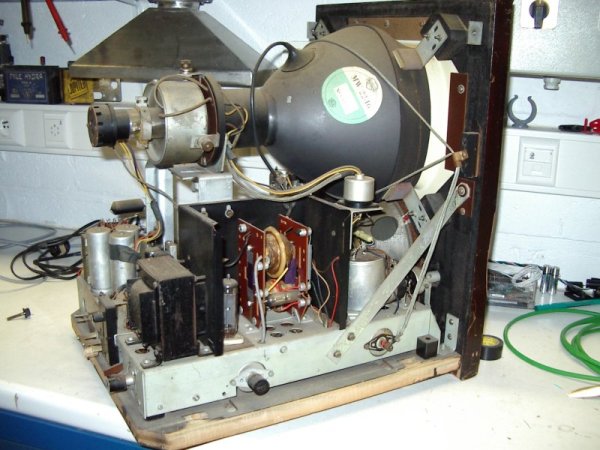
For those of you unfamiliar, Mike Zaite, a.k.a. Dr. Z played drums in a Cleveland Ohio rock band. His father owned a TV repair shop. This was back in the days of Zenith and RCA televisions and radios that used tubes and were repaired instead of being discarded. So Dr. Z got his electronics educational start from his Dad.

Dr. Z Carmen Ghia

He got his start in the music business by building PA’s for local bands. Zaite admits to “studying and tweaking the inner workings of his band mate’s amplifiers, when the were not around.


Kent State - Four Dead in Ohio

He eventually went off to Kent State University and got a degree in electronics. It was during those years he became acquainted with another electronics student, Joe Walsh. This relationship became very eventful in later years.


Mike Zaite 

Zaite went on to a lucrative job as a medical electronic engineer for General Electric. But Zaite’s first love was tinkering with analog electronics, such as amplifiers and P.A.’s.


Joe Walsh
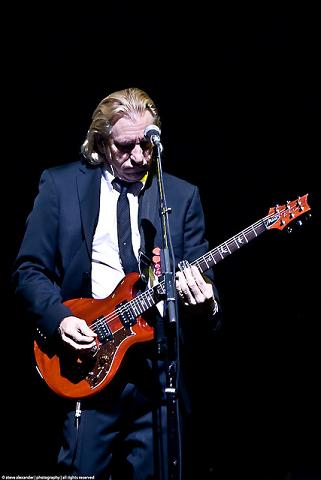
In 1992, Joe Walsh recalled the great guitar amplifiers that Zaite was building. Walsh borrowed one and took it apart in his hotel room. He was so impressed with the quality that he asked Zaite to build an amplifier for an upcoming tour with the Eagles. A year and a half later Walsh ordered a second amplifier from the Doctor. This amp caught the eye of editors at Guitar Player magazine. A feature article gave a positive review to Zaite’s SZR-65.


This was a large boost for Dr. Z amps. This amplifier was originally conceived as a head, but later was sold as a reverb combo amplifier.

Dr. Z SZR-65

The SZR-65 is the only amplifier Zaite has built that has a cascading gain circuit. This was during an era when Marshall amplifiers ruled. Zaite used an ultralinear output transformer.


This gave the amplifier the smooth feel of triode tubes with the power of pentode tubes.

Hammond Organ Reverb Unit

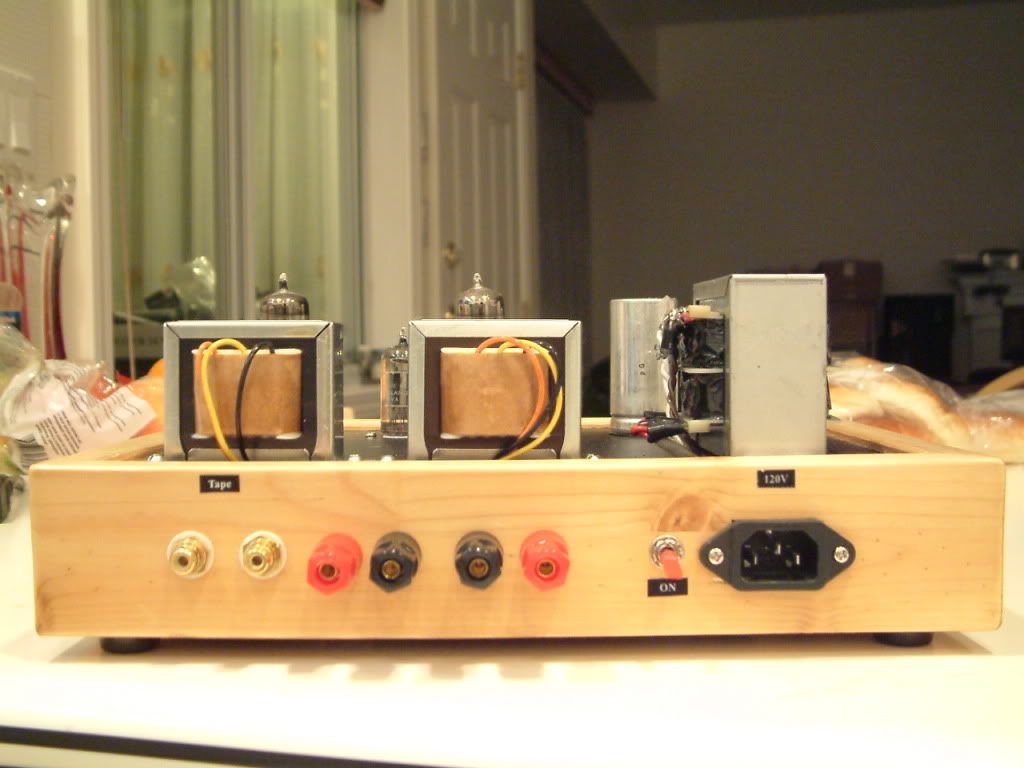
Zaite's first guitar amplifiers, were based on a Hammond organ reverb amplifier. He made modifications to the schematic, so he could build his own version.
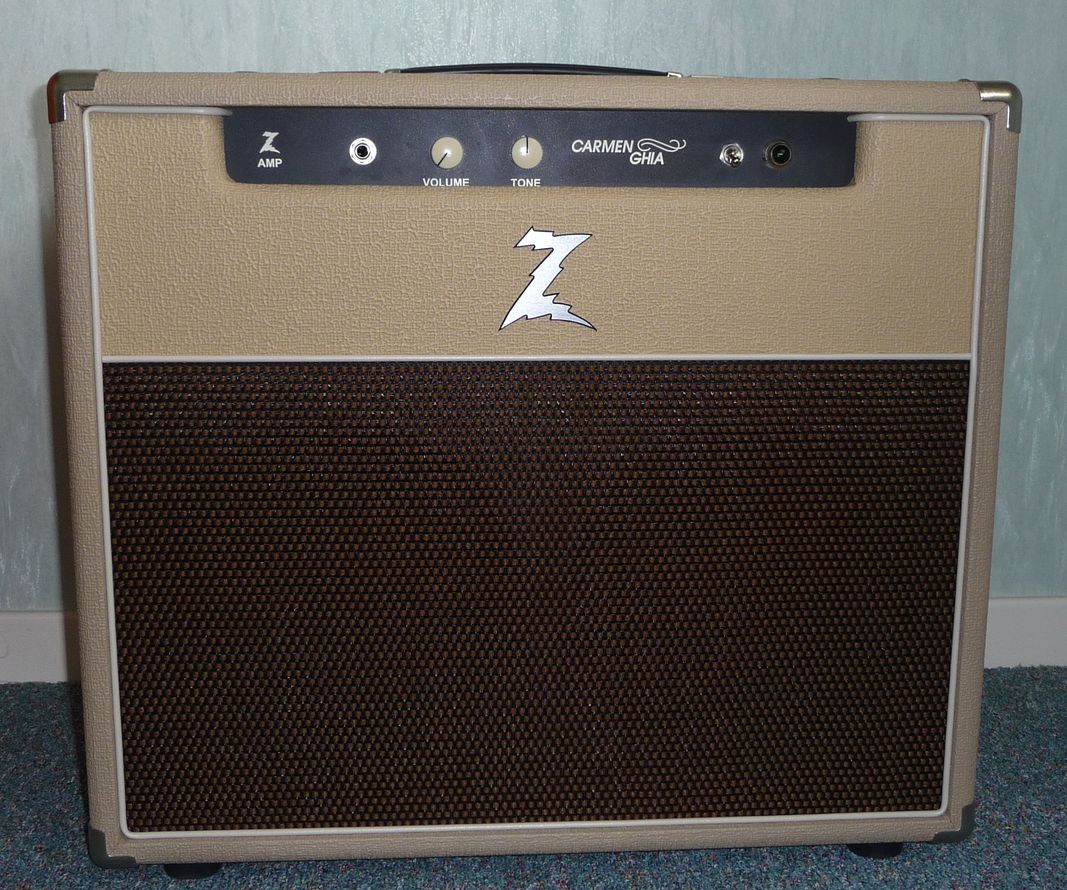
Dr. Z Carmen Ghia

His first commercially available amplifier was the 18-watt Carmen Ghia, which was powered by twin EL84 tubes, a 12AX7, and a 5751, both for the pre-amp section. The only two controls on the Carmen Ghia were for volume and tone.

This is the amp he based on the Hammond Reverb power amp. I assumed it was named for the VW sports car of the 1960’s, however it was named for his grandson, Carmen.

It was this amp catapulted on the fact that players had developed an interest in lower power amps that could be overdriven at low volumes.

Dr. Z DB4
Around 2001, Dr. Z amps became the favorite of Country-Rocker Brad Paisley. Zaite created several signature models for Paisley such as the Stang Ray, Prescription ES and the Z Wreck (which may have been based on Ken Fisher’s Trainwreck amp.) Paisley performs several Dr. Z amps at every show. Paisley currently endorses the Dr. Z DB4.

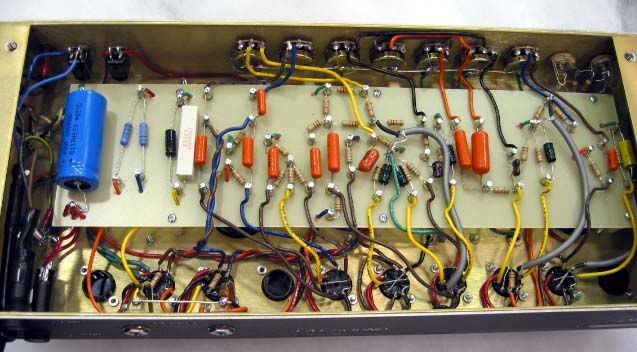
Check out those tidy leads
Zaite’s career in medical electronics has served him well. Manufacturers of medical devices fall under strict government guidelines. Therefore they are overbuilt, to prevent any harm to a patient.


Zaite follows these guidelines in his construction by using chromate converted aluminum for his amplifiers chassis. This improves the grounding of the amplifier, by raising the conductivity of the chassis. Some early Marshall amps used aluminum chassis and so did Ken Fisher’s Trainwreck amp as well as some other boutique amplifiers.
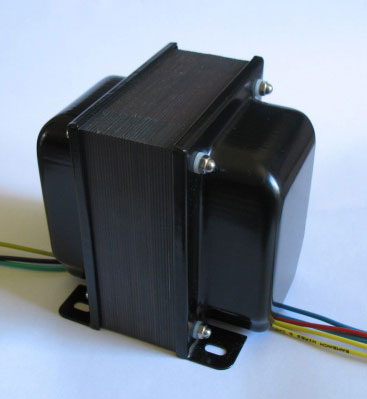
Dr. Z also uses ultralinear transformers and amp design. These give his amplifiers respond richly like a triode tube amp, but with the power of pentode tube amplifiers. This results in higher dynamics for the primary note and harmonics.

Dr. Z also uses specially designed coupling capacitors from Sprague. Because he purchases them in a very large batch, the company is possibly more concerned about consistency.


Zaite prefers Celestion speakers and most of the earlier models used Celestions.


However Dr. Z has created his own line of speakers. Some newer amps use Dr. Z speakers and other models come with Celestion speakers.


Zaite also offers the Z-Best speaker cabinet. This is a 2 – 12” ported specially designed cabinet that has an adjustable shelf behind the speakers and is based on the long throw ported Theile design.


Most of us are familiar with the fact that different style cabinets are just as important as tone controls. The adjustable shelf offers a variety of sounds to fit your style.

This closed-back cabinet comes with a variety of drivers, depending on your desired tone.

Dr. Z also offers a 2 – 12” open back cabinet and cabinets feature one, two or four 10” speakers.

The doctor also has developed a Lens for speakers on amps that have open-back cabinets. The Lens equates to the Tone Ring used on older Fender amps. Dr. Z’s Lens is adjustable, for desired sound projection.

Two other features that make “Z’s” stand apart are the Cut control. This control is tied into the output tubes and gives the player the ability to scoop frequencies and give the sound more or less brightness.

1930's Amp with a Conjunctive Filter

The other feature is what Zaite refers to as a conjunctive filter, which affects the impedance of the transformer allowing frequencies to be balanced, thus providing even amplitude across the spectrum.


If the players picking is even on each string, he or she will get the same volume on each string, making the sound more dynamic.

Dr. Z offers a variety of amplifiers, from the 5-watt Mini Z to the 60-watt SRZ-65. Most of his amps are in the 30-watt range, which he fells is loud enough for a small venue or when mic’d can blow away an arena.

He says his favorite model is the Route 66. This is his top seller. The 32-watt amp head delivers a sound loosely based on the Marshall JTM-45, although the tonal qualities are unique, due to the use of the EF-86 nine pin pentode tube.

This unusual tube is used on high end stereos for accurate transfer of signal, balance and headroom.

The MAZ-38 NR is a very recognizable amp that was made popular by Joe Walsh. It’s based on 4 EL-84’s, 3 12AX7 and a GZ-34 rectifier. This amp comes with the “cut” feature and provides the player with 38 watts of RMS power.

Dr. Z Brake Lite
Dr. Z has some attenuators he can prescribe. The Z-Air brake is the top of the line. The Z-Brake Lite can be mounted inside any open back cabinet. If you prefer the Dr. Z-Air Brake can be used for closed back cabs or as a pedal board feature.

Getting back to the Dr. Z amp featured in the Toyota Prius ad. I’m not certain if there was an actual connection with Zaite’s company. I am told the director was a fan of Dr. Z amps and thought the amp was cool looking and fit into the aesthetic nature of the advertisement.
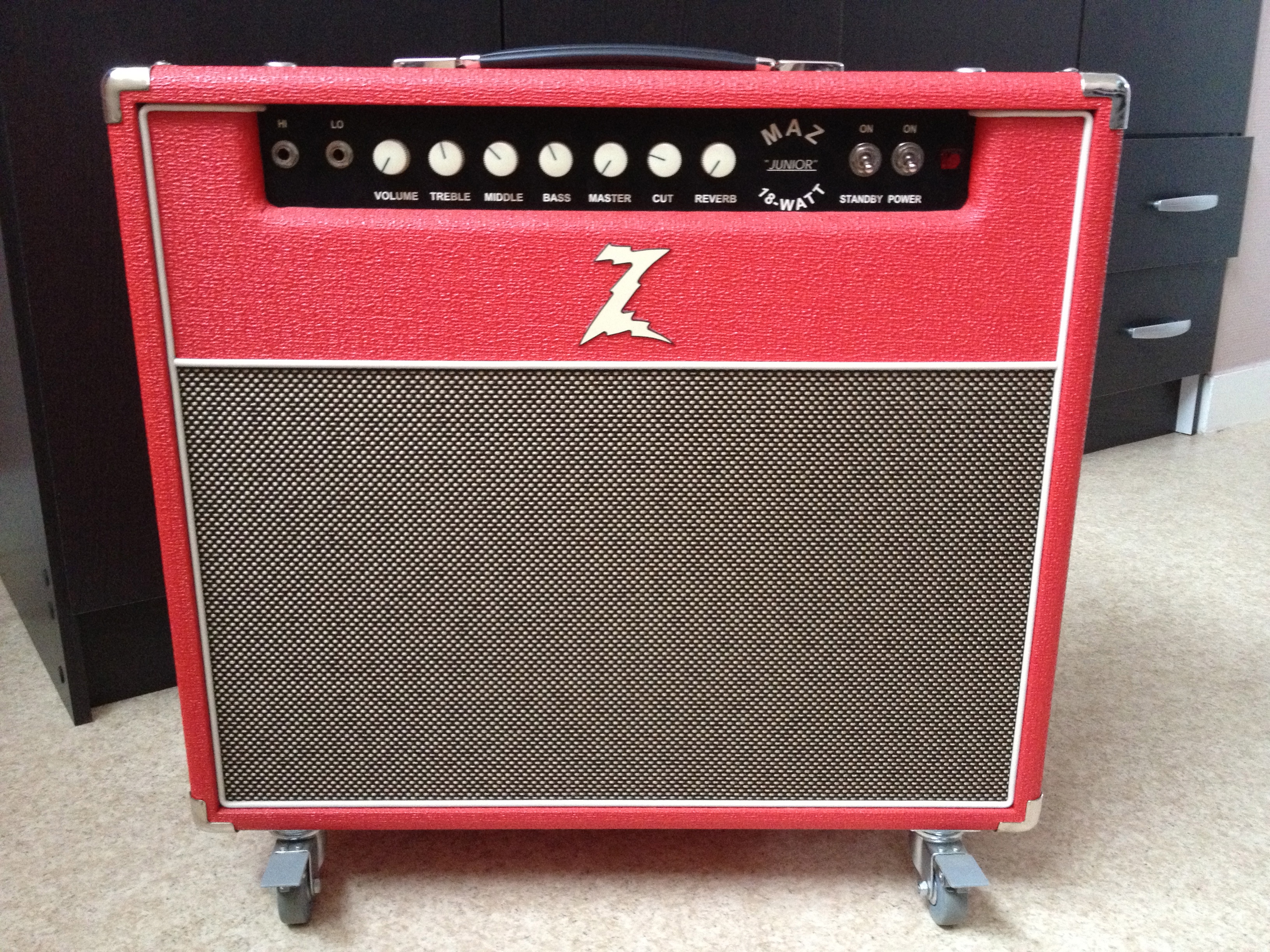
Dr. Z MAZ 18
Watch the commercial carefully and you will see the Dr. Z in the back of the Prius is a MAZ 18 with 7 control knobs. As the commercial procedes, the MAZ 18 is now a warehoused sized mock-up of the amp with enough room for the Prius,  a Sousaphone player and a party.


\

Sunday, December 11, 2011

Danny Gatton's Telecaster


"The Humbler” is the nickname that Amos Garrett gave to Danny Gatton and that knickname stuck. To guitarists that watched him play, it made them want to sell their equipment or practice more.

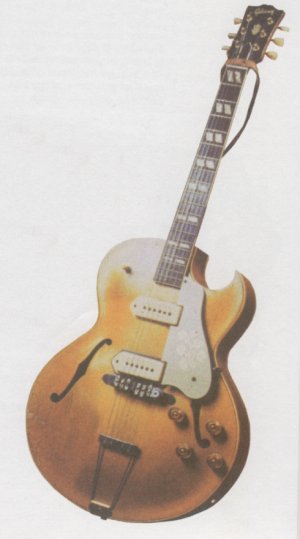
Gatton was a Telemaster that held the title of “World’s Greatest Unknown Guitarist.” He was an amazing player and ususally weilded a 1953 Telecaster that his father purchased new for him. Occasionally he played a Gibson ES-295, that also was new when he bought it.

Danny Gatton’s father played guitar. So a teen, Gatton began playing guitar. Some would call him a prodigy and I would have to agree. Gatton lived in Maryland and could usually be found playing music in clubs in the Washington D.C. area. He could go from Country Tele licks to Jazz to Blues to slide guitar during the same song.

He was in Roger Miller’s back-up band. He also jammed with reknown steel player, Buddy Emmons.


In the music business, Gatton was an unknown. To guitar afficienados and well known players, such as Les Paul, Clapton, Willie Nelson, Alvin Lee, Steve Earle, Chris Isaak and Jimmy Vaughn, Gatton was appreciated and envied. He appeared on-stage with some of these artists.

During Gatton’s career a rumor surfaced regarding the competition between Danny and Roy Buchanan.


Buchanan and Gatton were frequent jamming partners. Both were Tele-masters, both underappreciated by the public and unfortunately both met an untimely end.

Note the metal plate on the body

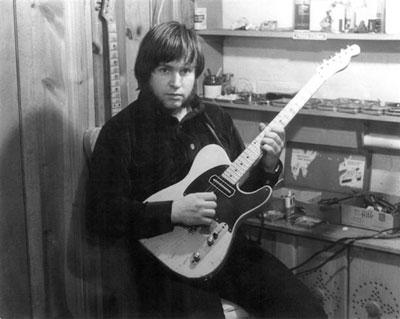
Early in his career Danny Gatton had his 1953 Fender Telecaster modified by adding two Joe Barden pick-ups and a device Gatton called, “The Magic Dingus.” The pickup switch on the Tele had been bent down and the original knob had been replaced with some sort of green monster-like toy.


The Magic Dingus was actually a controller that fit on the bottom section of the Teles body. Gatton had mounted a metal plate that ran from the end of the pickup and bridge mount to the far end of the body. On this he mounted the Dingus, which was actually a remote effects controller.


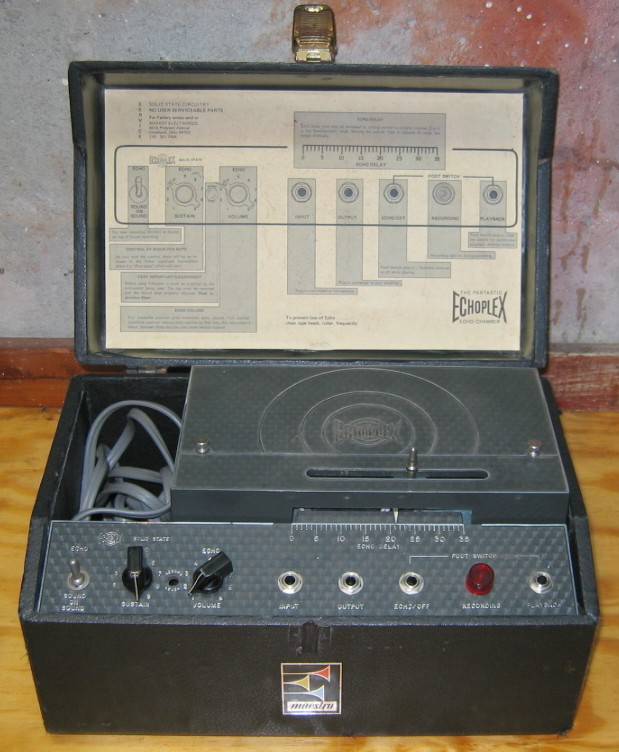
Gatton idolized Les Paul and originally used the Dingus on a 3 pickup Les Paul guitar to control reverb, tremolo, a phase shifter and an Echoplex. I’m going to guess the Magic Dingus was Gatton’s version of The Paulveriser.

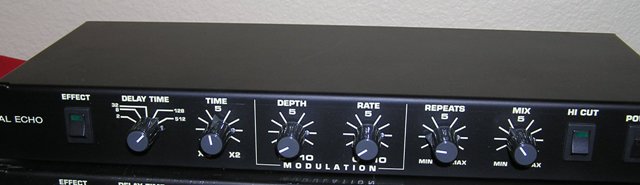
After he was criticised for relying to heavily on effects, Gatton removed the Magic Dingus, but not the mounting plate. After that the only effect Gatton relied on was an old Echoplex or a Chandler digital echo unit.


As far as amplifiers, Gatton was a Fender player. He used two ‘50’s Twin amps, a blackface Super Reverb and three modified Fender Vibrolux amps.

Gatton’s other passion, beside guitar, was restoring vintage automobiles. I recall reading that Gatton traded his 1953 Telecaster for a valuable old car that he wanted to restore. I’ve looked to see if I can find cooberating evidence, but I cannot find any and apparently Gatton’s widow and daughter have his old ’53 Tele, among the many guitars he left them.

Custom Shop Tele/Slide with Bottle

As I recall after the sale, Mike Stevens, one of Fender’s Custom Shop more well known designers, built Danny a new Telecaster that was based on his 1953 model.


The guitar, which was numbered DG00001, featured early-model Joe Barden pickups, a .05 capacitor so Gatton could create wah effects. Stevens had applied a beautiful butterscotch finish to the instrument. But Gatton’s brother redid the finish by applying Ditzler Sunshine yellow over a gold base to recreate the look of Gatton’s ES-295.

On October 4, 1994, Gatton went to his garage, where he restored his cars. He locked the door and shot himself with a gun. He left no explanation.


Sunday, October 30, 2011

Hamilton Steel Guitars

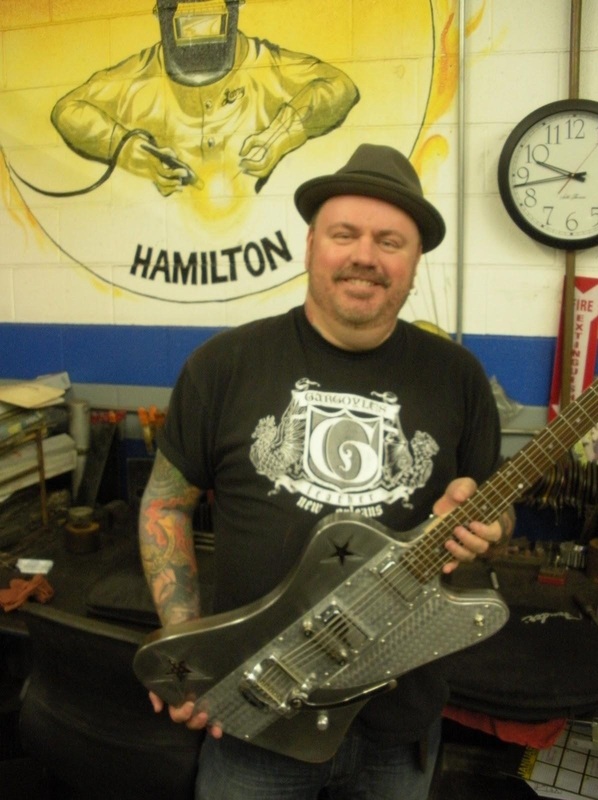
Chris Hamilton - Builder of Hamilton Steel Guitars
About a month ago I received a great email from Chris Hamilton regarding The Unique Guitar Blog. It turns out that Chris is a professional metal worker and a highly skilled luthier. He has combined his talents to create Hamilton Steel Guitars.

You may have seen some of his instruments featured in Guitar Player Magazine or other guitar related literature.

His guitars are not guitars that are played with a steel bar, but guitars with mainly steel bodies.

In my reply to him, after a cursory view of his webpage, I commented that the guitars reminded me of Veleno instruments. But after further study, these guitars are nothing like Velenos. Hamilton Steel Guitars are among the most unique instruments that I have ever seen.

The instruments that Hamilton creates are works of art, sculptures in metal if you will.


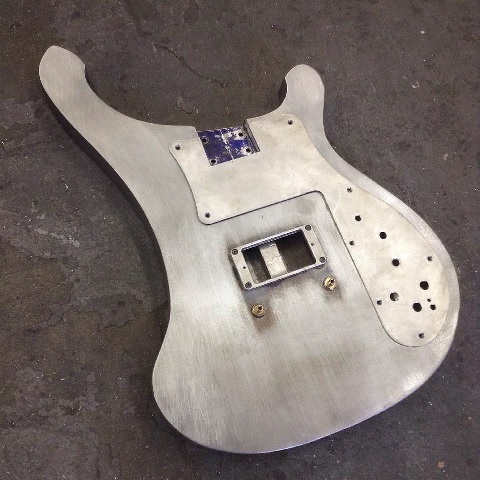
A Steel Bass Body after sanding
Hamilton Steel Guitars, which he abbreviates as HSG, is located in Van Nuys, California. Chris’ business is a one man operation, turning out one instrument at a time, so each is 100% handmade. All guitars are made of steel with an aluminum neck pocket and bridge block. Chris accomplishes this through his skillful use of T.I.G. welding (tungsten inert gas) to bind the instruments shapes together.

Chris began building and customizing motorcycles and prerunner, off road, racing trucks. But his passion is the guitars that he builds.

I'll note that he machines the bodies and necks on pre-WWII era milling equipment. Parts are made on an old LeBlond lathe. Unlike other manufacturers, there is nothing digital about Hamilton Steel Guitars. They are made in the same manner as luthery artisans of the past.

Chris' guitars are amazing. In a market that is flooded with replicas of American made guitars, Hamilton Steel Guitars stand out. Hamilton's instruments are hollow metal replicas of well-known electric instruments, such as Les Pauls, Gibson Explorers, Fender Telecasters and Stratocasters, however each instrument is made of rolled steel. Chris also builds his own unique designs and is able to customize an intrument to each customers specifications.

These guitars feature unusual twists, such as a radiator style grills, custom contours or decorative paneling on the body. Chris offers custom necks made of aluminum, graphite or exotic woods.

HSG offers custom finishes, such as Brushed Steel, Chrome, Nickel or one he calls Heavy, Medium or Light Rusting. This one gives the metal instrument an unusual aged look reminiscent of modern art sculptures. The visual impact of his creations is awesome.

As I have intimated, your order can be customized to fit any specifications you desire.

Pickguards and pickup rings can be fashioned from aluminum, copper, stainless steel or brass.

Your HSG does not have to come with a natural aluminum finish. The guitars are offered with Candy, Pearl, Metalflake, Powder Coat and any popular automotive or motorcycle finish. Chris even does Wallpaper finishes.

Pickups brands and types are left up to the purchaser. You can include however many pickups you desire, even piezo pickups.

HSG can be order with any style headstock. The bodies come with or without F-holes. Despite being made from metal, the hollow build allows the instruments to weigh anywhere from 6.5 to 11 pounds, which is no more than most solidbody wooden guitars.

There is one last thing you need to know about Hamilton Steel Guitars...They are not just entirely handmade, they are also bulletproof!

Check out the website at: http://www.hamiltonsteelguitars.com/


Chris was kind enough to send me some pictures of his remarkable creations. Enjoy!


Check out this video of Chris building a body. It is fascinating.
©UniqueGuitar Publications (text only)

Saturday, October 22, 2011

Tommy Smothers - Comedian Guitars Part Four

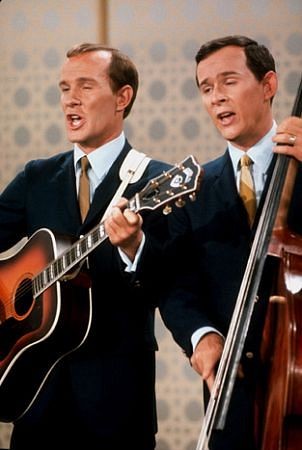
The final installment of Comedian Guitars is about Tommy Smothers, the guitar playing brother of The Smothers Brothers. He was the one his mother did not like best.

Tom was born in New York City. Tom’s father was Major Thomas Smother, a West Point graduate and military officer during WWII. The Major died when he was being transported from a POW camp in Japan. Tom’s mother moved the family to the Los Angles area and raised her children in Califonia’s Redondo Beach area.

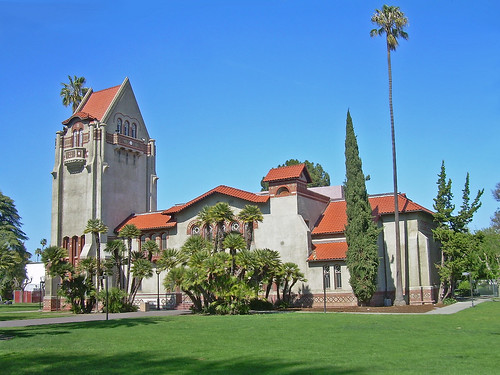
Tom and Dick Smothers both attended San José State University. The brothers joined a folk group called the Casual Quintet. By 1959 they were playing at the popular Purple Onion, a San Francisco folk club. A few years later they developed the Smothers Brothers act and recorded a successful comedy album at the same club. In 1961 they made their first national appearance on The Jack Paar Show, and later on The Steve Allen Show, which was the forerunner of the Tonight Show.

The brothers set out ot be serious folk singers. Tom would introduce a song by making things up. Dick would chime in by disagreeing with Tom. Then a brotherly argument would ensue with a comic ending.

By 1965, CBS television offered them an hour long variety show. The brothers agreed to the show and it was a huge success. By 1967 their contract came up for renewal. In the contract language, they insisted on total creative control.

Now this was at a time when the United States was in the midst of the very unpopular Viet Nam War, social unrest was rampant due to the war and civil injustice to Black citizens. The drug culture was emerging, as was free love and an interest arose in alternative forms of religion. The Smothers Brothers, led by Tom, felt a calling to speak up on these topics by use of their humor. This did not sit well with the CBS censors. Each show became a battle. This led to the show’s demise.


Tom became very politically active. At one point he joined his friend John Lennon on the recording of Give Peace A Chance.

Tom Smothers found other work in the entertainment industry and won acolades for his talent and determination to take a stand. He owns a vineyard in Sonoma County and creates wines under the Remick Ridge Vineyards label.

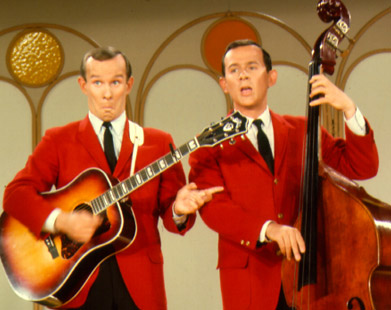
Tom Smothers has used only two brands of guitar during his career. He played a Martin or a Guild.

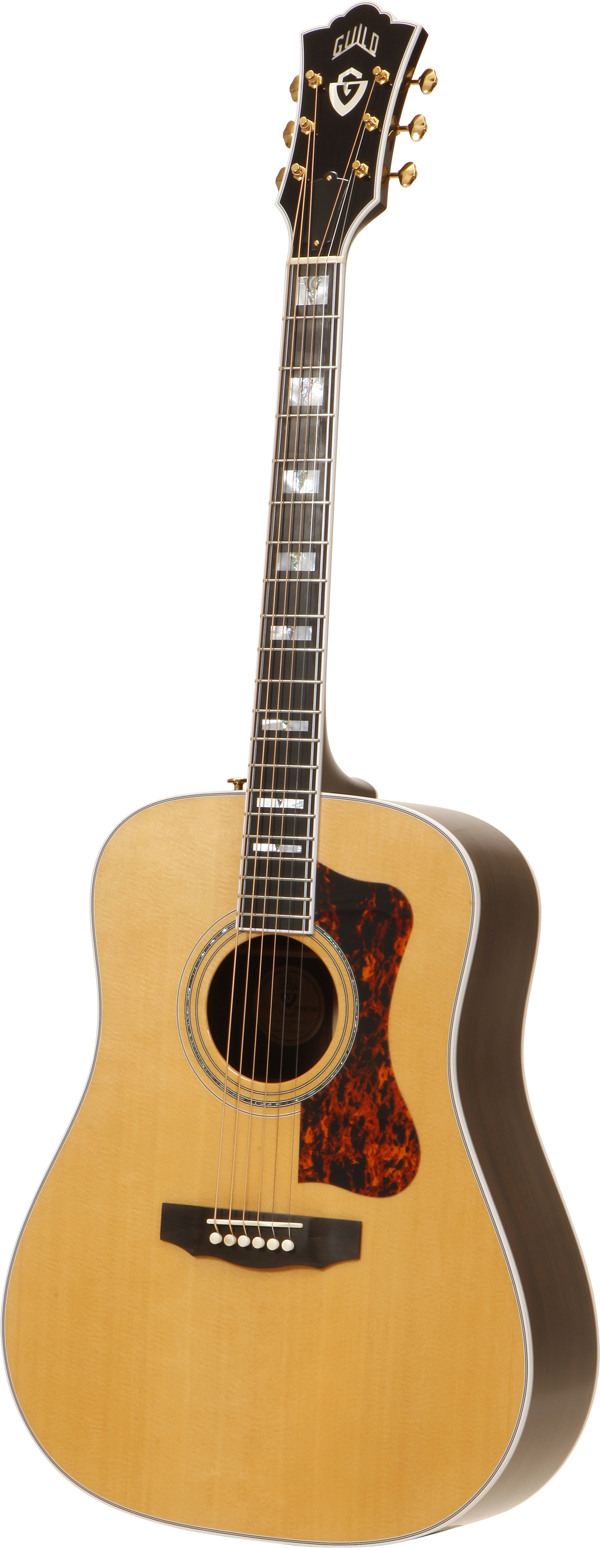
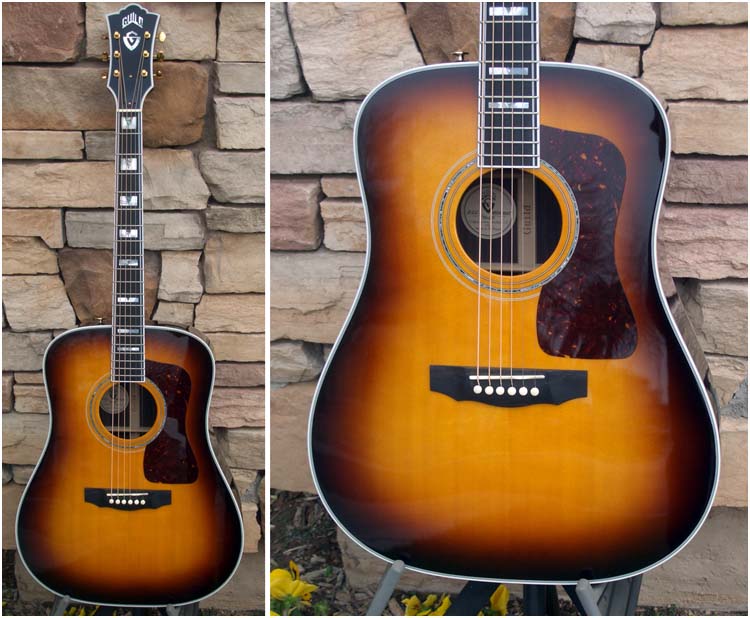
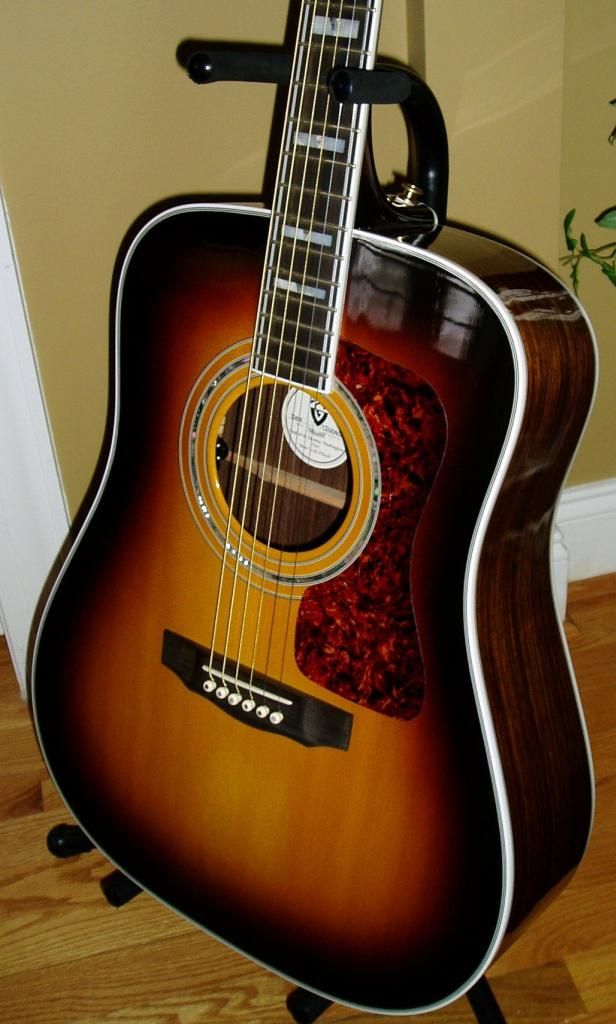
The guitar that he is primarly seen with is the Guild D-55TV. This is Guild’s top-of-the-line dreadnaught. Although it is not as fancy as a Martin D-45, the Guild is a fine instrument.

It has been used by Folk, Country and Bluegrass artists and hearlded for its big voice. The D-55 is a true workhorse of a guitar. Unlike the Les Paul TV model, which had a yellow hue to show up better on black and white television, the Guild designation of TV is due to the use of the best woods and craftsmanship, that Guild Guitars would be proud to display on television.

I have heard it said that in Guild’s nomiclature, the designation T, noted an instrument with a natural top. I cannot find evidence to support this claim. The D-55TV is an updated  and fancy version of their model D-50.

Tom Smothers is generally seen playing a sunburst D-55TV.

For those unfamiliar with Guild’s history, the company was founded by Alfred Dronge and George Mann in 1952. The Epiphone guitar company had been sold to Gibson by the Stathopoly family. This left employees of the Manhattan firm out of work. Dronge and Mann put together a Guild of the finest luthiers in New York to start up their company. Their venture was a big success and the headquarters moved to Hoboken, New Jersey, since the company outgrew its original plant.

The advent of folk and blues music was a big assist to Guild and they concentrated less on archtop jazz guitars and more on flattop guitars in the Martin style.

Alfred Dronge was killed in an airplane accident. In 1966 the company was acquired by the Avnet Corporation and moved to Westerly, Rhode Island. Guitars from Westerly are considered to be the best that Guild made. Guild expanded into the electric guitar market in the mid 1960’s, due to the increased interest in the electric guitar.

The Fender Musical Instrument Corporation never seemed capable of producing a really great acoustic guitar.

The company was in an acquisition mode in the late 1990’s. They had purchased the small, Washington State based Tacoma guitar company and next set their sites on Guild.

The Rhode Island plant was old and the machinery was not modern. In Fender’s eyes, it was inefficient. Fender had just built a brand new factory in Corona, California. The employees in Westerly were offered jobs, if they wanted to relocate to California. I don’t believe anyone took up the offer.

Production of Guilds in Corona did not last very long, before Fender moved Guild to the Tacoma facility in Tacoma, Washington. It was during this time that Fender started importing Asian made Guilds, using the Guild name.

Kaman Incorporateds main business was building precision industrial parts and building heliocopters. They had devoted almost 40 years to their founders dream of building a guitar by using synthetic materials. This was the company that made and sold Ovation Guitars.

The company decided in 2004 to unload the guitar division. Fender was right there and bought the company and their facility in New Hartford, Connecticut. Fender not only went on the manufacture Ovation guitars in the Connecticut facility, but moved production of Guild there as well.

American made Guilds are a bargain when compared with similar Martin and Gibson instruments. Their D-55 model sells new for around $2800 USD, with a hardshell case included.


This last video features The Who on the Smothers Brothers Comedy Hour. They are singing My Generation. Stay tuned for the end of the clip. Keith Moon put explosives in his bass drum, however without Moon's knowledge a stage hand put in extra explosives. Moon is stunned at the end of the clip. Townsend blames this for hearing loss.